-You know exactly where you’re going
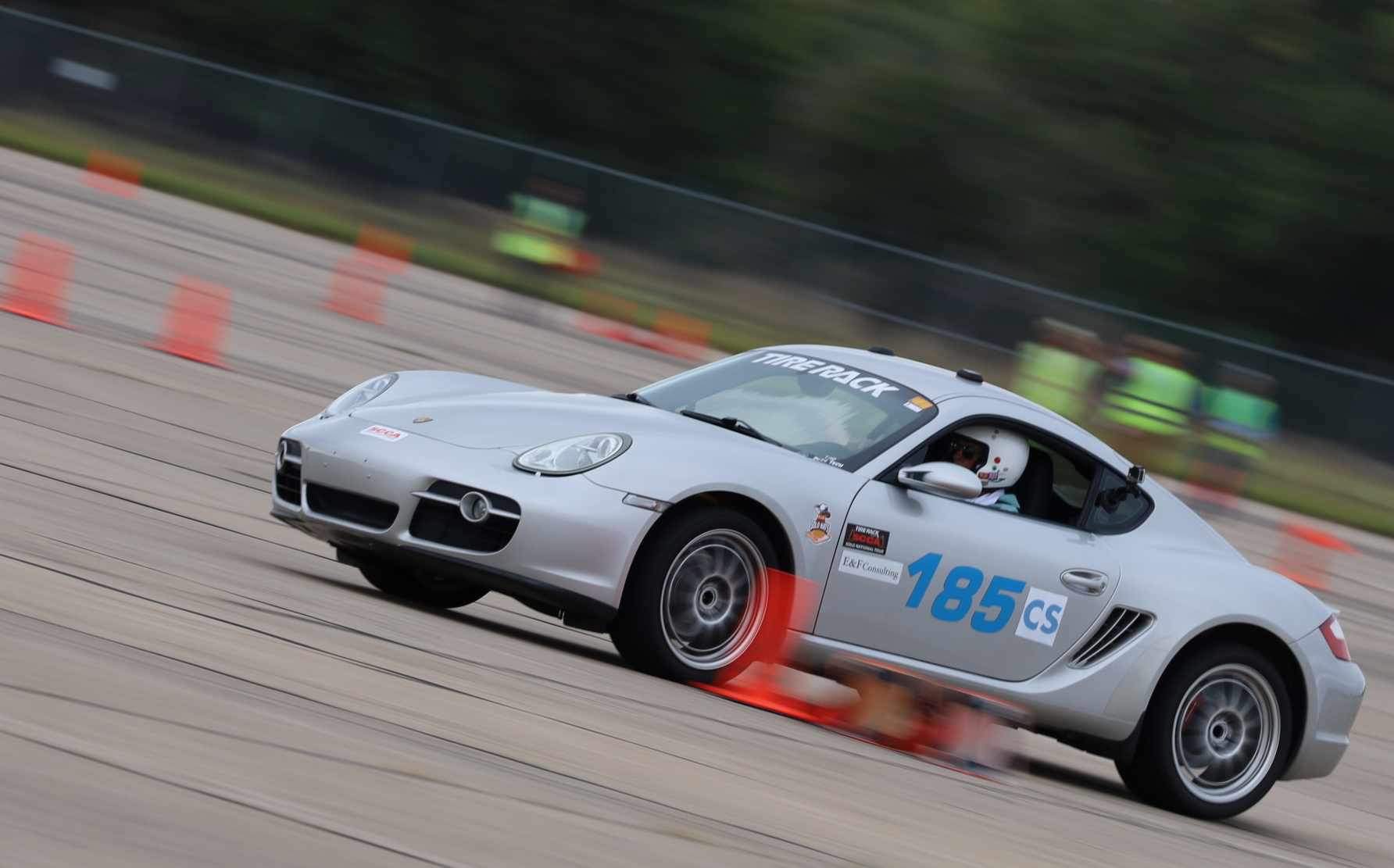
Nothing on the course can be a surprise. You must know the course from walking it beforehand and from looking far ahead while driving it so you can place the car on your planned line at every moment. (Always have a plan!) This eliminates timidity, promotes making inputs on time and allows you to drive hard each foot of the way.
-You test all the key parameters
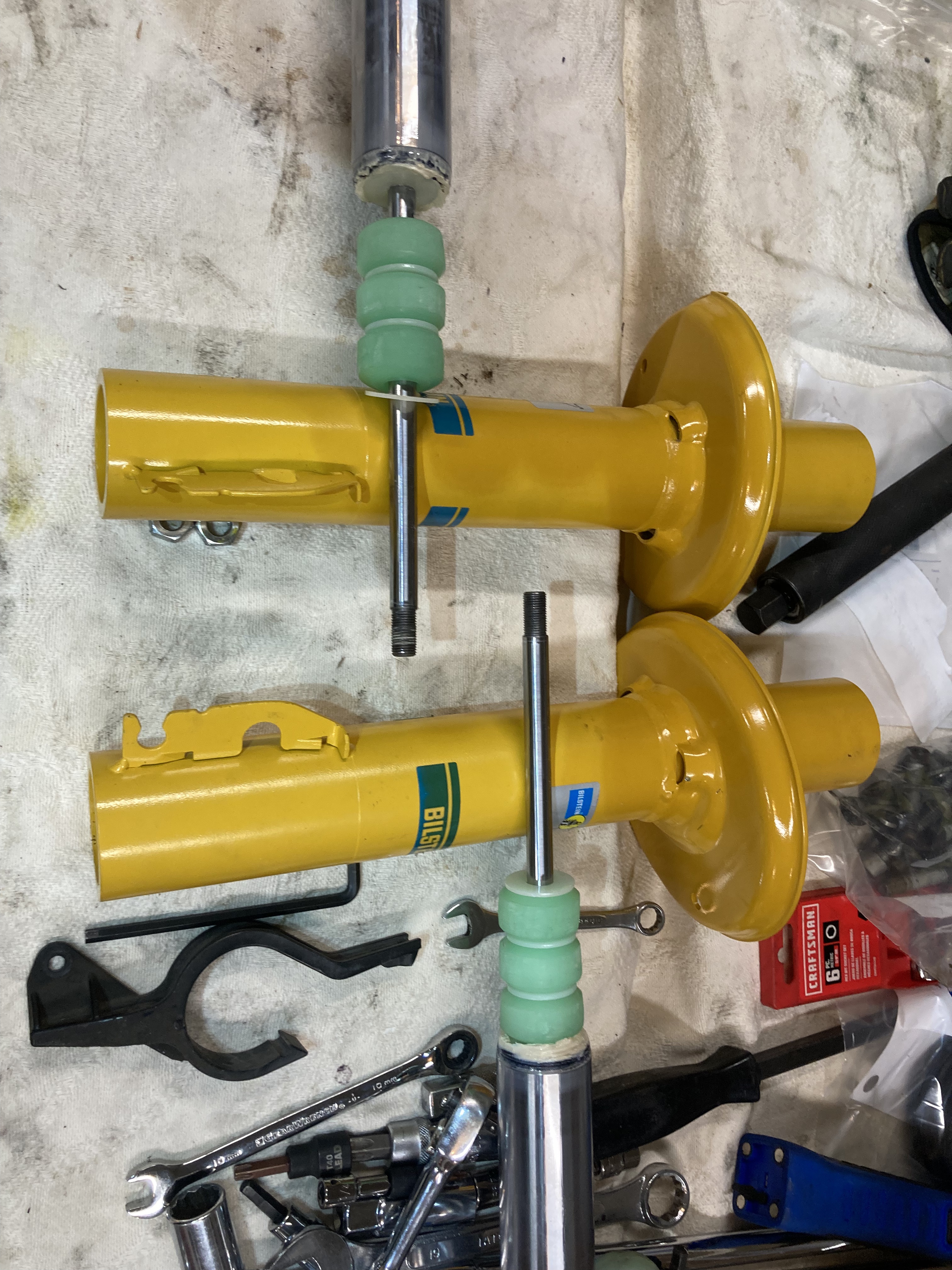
The most common question novices ask is, “What tire pressure should I be running?” The true answer is that nobody can tell you what tire pressures to use for your particular model, tire-type, set-up, condition (How old are your shocks? What condition are your bushings?) or driving style. You must know what tire pressures, alignment settings and any other adjustable setup parameters give your car the best balance of grip, response and handling. There is only one way to learn these things: TEST.
So, always be happily testing and observing. Not all parameters can be changed during an event, so testing has to continue during the year as you make some changes between events.
-You constantly check for the limits of grip during each run
Become confident with regularly exceeding the limits of grip. There’s grip after slip. This includes when accelerating, cornering and braking. You can’t know where the limit is without going over it and it’s not the same as it was an hour ago, much less last week. If you fear going over the limit because you know that the car will uncontrollably spin or slide, then something is wrong with the car and you need to fix it. No modern car comes from the factory with evil handling. If your’s does weird things then something is wrong or someone has messed it up.
The limit is sometimes different from one corner to the next. The limit always changes within a single run in any case as tire surface temperatures rapidly change. You only learn how to smoothly drive at the limit by consistently pushing over the limit. Eventually, driving slightly out of control becomes as natural as walking through a doorway without crashing into either side. Note: you can only do this at autocross. Do this as a novice at a race track and you’re unlikely to last the day.
-You learn to collect and analyze data
The purpose of testing is to collect data, whether that data is how something feels, whether and when the car oversteers or understeers and how much, or is derived from electronic sensors. Once you begin collecting electronic run data you must learn to analyze it. Data analysis is a big field, but the basics are not difficult to learn. Data is the main reason why today’s autocrossers are faster than drivers 30 years ago and can often get fast, faster. Even within a 50s run there are multiple opportunities to save and lose time. That’s why the total elapsed run time is an almost worthless piece of data. If it’s the least bit unclear how to drive a feature then drive it different ways on purpose and compare the data. Don’t count on your own inability to drive a feature the same way twice to tell you much. Random data often leads to invalid conclusions.
 Saving Time - An Autocrosser's Blog